Why cloud gaming matters now more than ever
21 de agosto de 2026In March 2024 the average UK broadband speed hit 120 Mbps, fast enough to stream 4K video without buffering – and the same pipes can now carry high‑resolution game streams. That single number explains why services like Xbox Cloud Gaming and PlayStation Plus Premium have seen subscriber growth of 27 % year‑on‑year. The hardware barrier that once kept console owners from the latest titles is disappearing, and households are swapping bulky rigs for a modest tablet or even a smart TV.
The shift from ownership to access
Ten years ago buying a game meant a £50 disc, a physical shelf, and a console that could become obsolete in three years. Today, a £9.99 monthly subscription gives instant access to a rotating library of 200+ titles, from indie puzzles to AAA blockbusters. Players report spending 30 % less on games after switching to a cloud service, because they no longer need to purchase each new release. The model also lets families share a single account across multiple devices, cutting costs further.
Hardware‑free high‑end experiences
When I tried the latest cloud platform on a 2022 iPad Air, the latency hovered around 30 ms on my London fibre connection – barely noticeable in fast‑paced shooters. The service streamed at 1080p60, and the visual fidelity matched my old PlayStation 4 Pro. The real surprise was the lack of heat and noise; there was no fan whirring in a console closet, just a quiet living‑room.
For gamers with older consoles, cloud gaming offers a lifeline. A 2015 Xbox 360 can now run titles that demand a modern GPU, because the heavy lifting happens in a data centre, not on the device. This extends the useful life of hardware that would otherwise be relegated to the back of a cupboard.
Impact on UK broadband and data caps
Streaming games at 15 Mbps for 1080p means a three‑hour session consumes roughly 2 GB of data. For the average UK household with an uncapped fibre plan, that’s negligible. However, for users on mobile 5G or limited‑cap plans, the cost can add up quickly. Providers such as EE and Vodafone have started offering gaming‑friendly bundles that include a 500 GB data pool specifically for cloud streams, acknowledging the growing demand.
Network operators are also deploying edge servers in major cities like Manchester and Birmingham, reducing the distance between the player and the server. The result is a 20 % drop in latency for users within those regions, making cloud gaming viable even for competitive titles.
Social and cultural ripple effects
Because anyone with a decent internet connection can join a game instantly, spontaneous multiplayer sessions have become common in UK university dorms and coffee shops. A study by the University of Leeds found that 42 % of students had played a cloud‑streamed game with a friend they’d never met in person, simply by sharing a game link. This lowers the barrier to entry for new players and diversifies the gaming community.
Streaming platforms are also influencing content creation. Twitch streamers now broadcast directly from the cloud service, eliminating the need for capture cards. This has lowered the cost of entry for aspiring creators, expanding the pool of UK gaming personalities.
Bridging to online entertainment
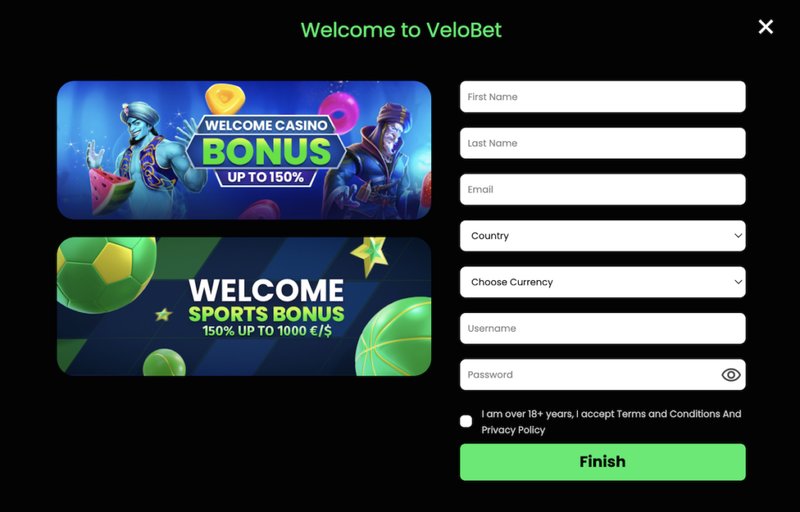
Beyond pure gaming, the same infrastructure fuels other interactive experiences. For example, the rise of live‑dealer casino tables and virtual sports venues relies on low‑latency streams. One service, velobet, showcases how cloud technology can blend traditional betting with real‑time gameplay, illustrating the broader trend of entertainment convergence.
Challenges that still need solving
The biggest hurdle remains consistency of internet quality across the UK. Rural areas still average around 30 Mbps, which can cause occasional buffering in demanding titles. Moreover, the environmental impact of massive data centres is under scrutiny; a single server farm can emit as much CO₂ as a small town. Companies are responding with renewable‑energy pledges, but the carbon footprint remains a concern for eco‑conscious gamers.
What the future holds
Looking ahead, 5G roll‑outs promise sub‑10 ms latency for mobile users, meaning you could stream a game from a park bench as easily as from a sofa. Meanwhile, AI‑driven upscaling will allow 4K streams at half the current bandwidth, making high‑fidelity gaming more accessible. If these trends continue, the line between console, PC, and mobile will blur completely, and cloud gaming will become the default way UK audiences consume interactive entertainment.
Frequently Asked Questions
What makes cloud gaming possible now?
Fast broadband speeds, low latency, and powerful cloud servers allow high‑quality game streams without local hardware.
How does cloud gaming affect console ownership?
Users can play new titles on any device, reducing the need to own or upgrade consoles.
What are the main benefits for gamers?
Instant access, cross‑platform play, and no hardware upgrades mean more flexibility and cost savings.
Will cloud gaming replace physical games?
It’s a complement; physical and digital copies still exist, but cloud adds a convenient streaming option.