Five Card Draw Poker Rules For Australian Mobile Players
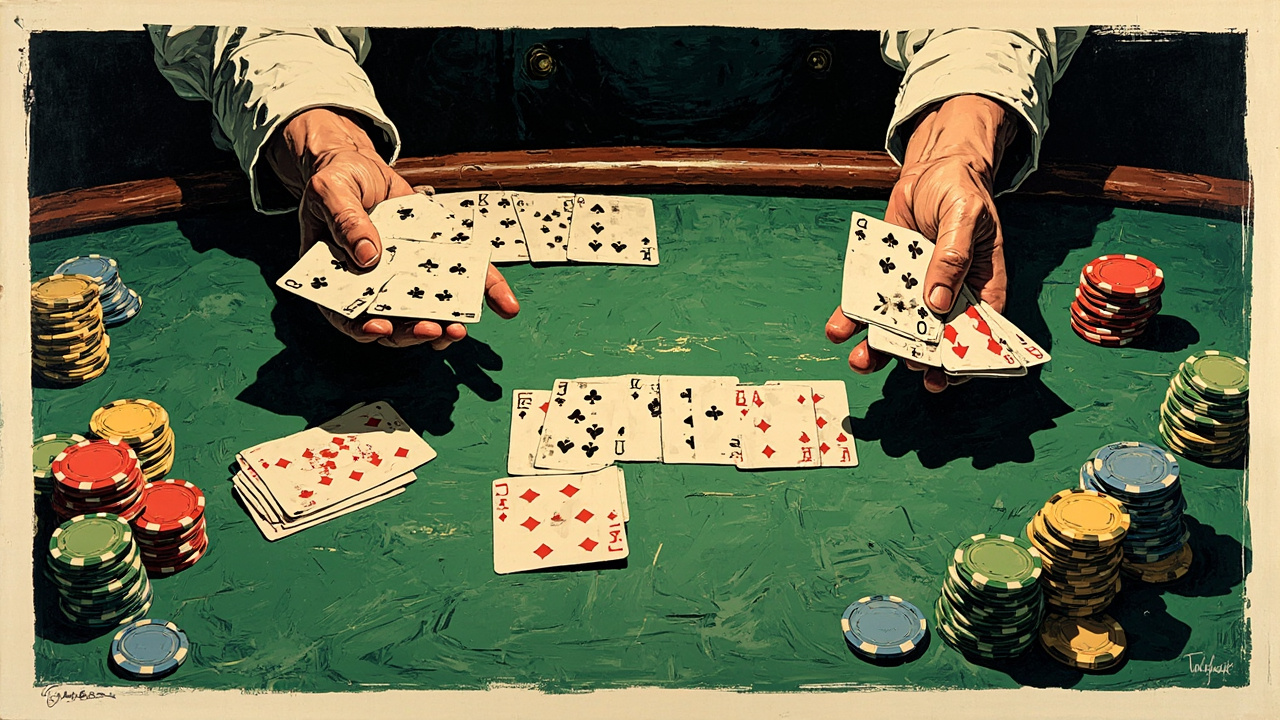
Most Aussies who’ve spun up a browser on the train home reckon five card draw poker rules are straightforward, but the mobile execution decides whether a session feels tidy or fiddly. At Mindepositcasinos.org/en-aus/ the current tablet-first layouts keep the deal button within a thumb’s reach and trim the betting rail to the essentials, which matters when you’re watching the match on one screen and managing your chips on another. I’ve spent years tuning live sportsbook feeds where a half-second lag turns a clean line into a mess, and the same discipline shows up here: fast rendering, clear hand rankings, and no cluttered pop-ups stealing focus from the draw phase.
Where The Game Fits Your Session
Five card draw poker rules work best when you want a short, self-contained round rather than a marathon table. The deal gives everyone five cards, there’s a betting round, then each player decides how many cards to swap before the final showdown. On a well-built mobile page that flow stays legible because the hand panel sits above the action buttons and the discard picker doesn’t hide behind a sticky footer. I’ve seen product teams treat a draw game like a quick trading window: small, repeatable, and easy to read at a glance, which is exactly the fit for an arvo session between tasks. Darwin players often drop in during a lunch break, and a layout that keeps the pot size and remaining dealer time visible without zooming makes that habit smoother.
How The Rounds Actually Run
The structure is plain, but the mobile reading matter is where five card draw poker rules earn or lose their keep. After the initial deal you check, call, or fold, then the draw phase lets you exchange any number of cards before the final betting round settles the hand. A decent app keeps the selected discards highlighted and confirms the replacement count in one tap, so you’re not second-guessing whether you swapped three or four. Noah Hill, Chief Financial Officer, Nullarbor Gaming Analytics, has noted that round-length consistency is what keeps a casual format profitable for operators, because predictable cycle times let the game loop sit cleanly alongside other short-form products. For https://deshimithai.com/australian-pokies-vs-american-slots-mobile-play-compared.htm a player, that predictability means the screen tells the same story every time: your hand, the pot, and the next action, in that order.
Mobile Fit And Everyday Friction
A phone screen changes how five card draw poker rules feel in practice, because the same hand can read cleanly on a tablet and feel cramped on a smaller device. Responsiveness matters most in the betting rail and the draw selector, since those are the bits you touch most often, and a layout that resizes without squashing the card faces keeps mistakes down. I’ve run into sessions where the fold button sat too close to the call control and a hurried thumb sent the wrong signal, which is the kind of friction a mobile-first build should remove rather than explain away. Sienna Fisher, Chief Financial Officer, Nullarbor Gaming Analytics, has pointed out that payment and session flows need the same care, because a player who can move money and return to the table without hunting through menus is far more likely to stay. A short, sensible checklist for a clean mobile run looks like this: Mashinydljaochistkizerna
- Betting controls stay above the fold and match the thumb zone on a portrait screen
- The discard picker confirms how many cards will be swapped before the deal
- Hand rankings and pot size remain visible without scrolling during the final round
- Navigation back to the lobby doesn’t bury the active table under stacked menus
Payments, Registration And Support Without The Runaround
Money movement and sign-up need to stay out of the way of five card draw poker rules, because a player who’s wrestling with a form is not focused on the hand. A sensible registration asks for the basics, confirms the account, and then lets you move between AUD balances and the game lobby without re-entering details each time. Withdrawal timing and bank transfer options should be stated plainly rather than buried, and if you want a closer look at how instant bank transfer casino withdrawal limits affect Australian players, that’s the kind of detail worth checking before you commit to a deposit size. I’ve always treated payment clarity like a trading desk’s settlement window: if the path isn’t obvious, the session gets noisy. Support that answers a stuck withdrawal or a misread hand quickly is worth more than a flashy loyalty badge, because the trust comes from things actually getting fixed.
Once the account is verified, the focus should shift entirely to the cards, not the banking interface. Players benefit most from platforms that streamline this process, a standard you can compare across options at https://mindepositcasinos.org/en-aus/. This ensures the game flow remains uninterrupted by administrative hurdles.
Positioning, Providers And Loyalty That Make Sense
The best mobile table isn’t the one with the longest provider list; it’s the one where the game runs smoothly and the rewards don’t complicate the rules. A clean five card draw poker rules setup keeps the lobby focused on a few well-performing titles, shows the stake ranges up front, and lets a loyalty tier add small perks without turning the game loop into a maze. Cameron Baker, Board Member, Australian Gaming Futures, has argued that loyalty works best when it reinforces the core experience rather than distracting from it, which is a useful check for any product that wants to hold casual players. Darwin venues and local habits aside, the same principle holds: a player come back because the deal is clear, the rounds are quick, and the account side behaves itself. When the product stays disciplined, the draw game earns its place without needing to shout about it.
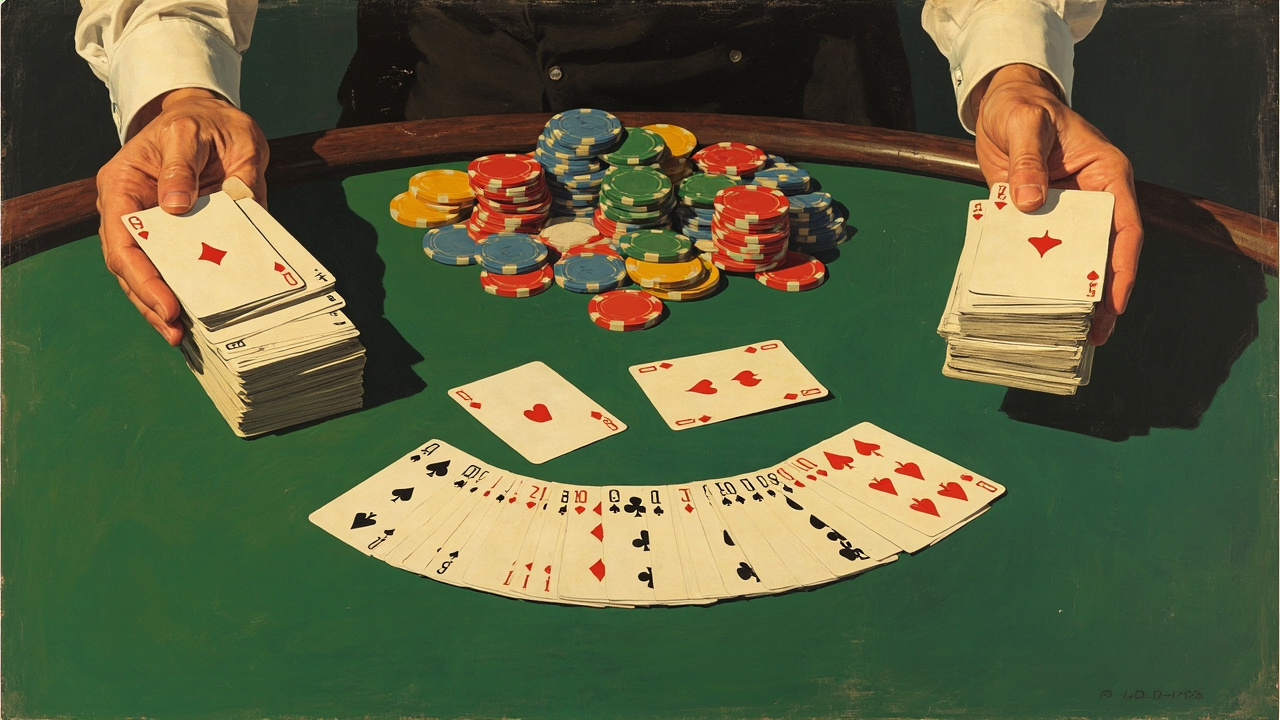
Five card draw poker rules stay appealing because they’re short, readable, and easy to pick up on a phone, but the mobile build decides whether that simplicity actually lands. A layout that keeps the hand, the pot, and the draw selection clear will suit a lunch-break session or a quiet arvo far better than a crowded interface ever will. Play for the round, not the promise, and pick the tables where the screen behaves as well as the cards do.