Curated Luxury Flats The Row Margaux Bag
4 de outubro de 2026Their Stance on Partnerships and Why They Remain Scarce
Brand partnerships have evolved into a steady source of revenue across the industry, yet The Row has followed the opposite path. Mary-Kate and Ashley Olsen built the label on a philosophy of restraint, and that restraint extends directly to how — and whether — the brand works with outside partners. Whereas competitors release capsule lines with sneaker brands, artists, or other fashion houses every quarter, The Row has issued almost none. This scarcity is not an oversight — it’s a calculated creative and commercial approach that governs how the whole label operates, from runway shows to the design of the row bags that anchor its accessories line.
If you want to understand why joint projects are such a rarity at The Row, you have to look at the brand’s beginnings alongside its price positioning and the brand’s sustained standing within the luxury fashion world.
A trend-fueled name was not their intention. What they were after was something resembling an atelier — quiet, deliberate, and unhurried on purpose.
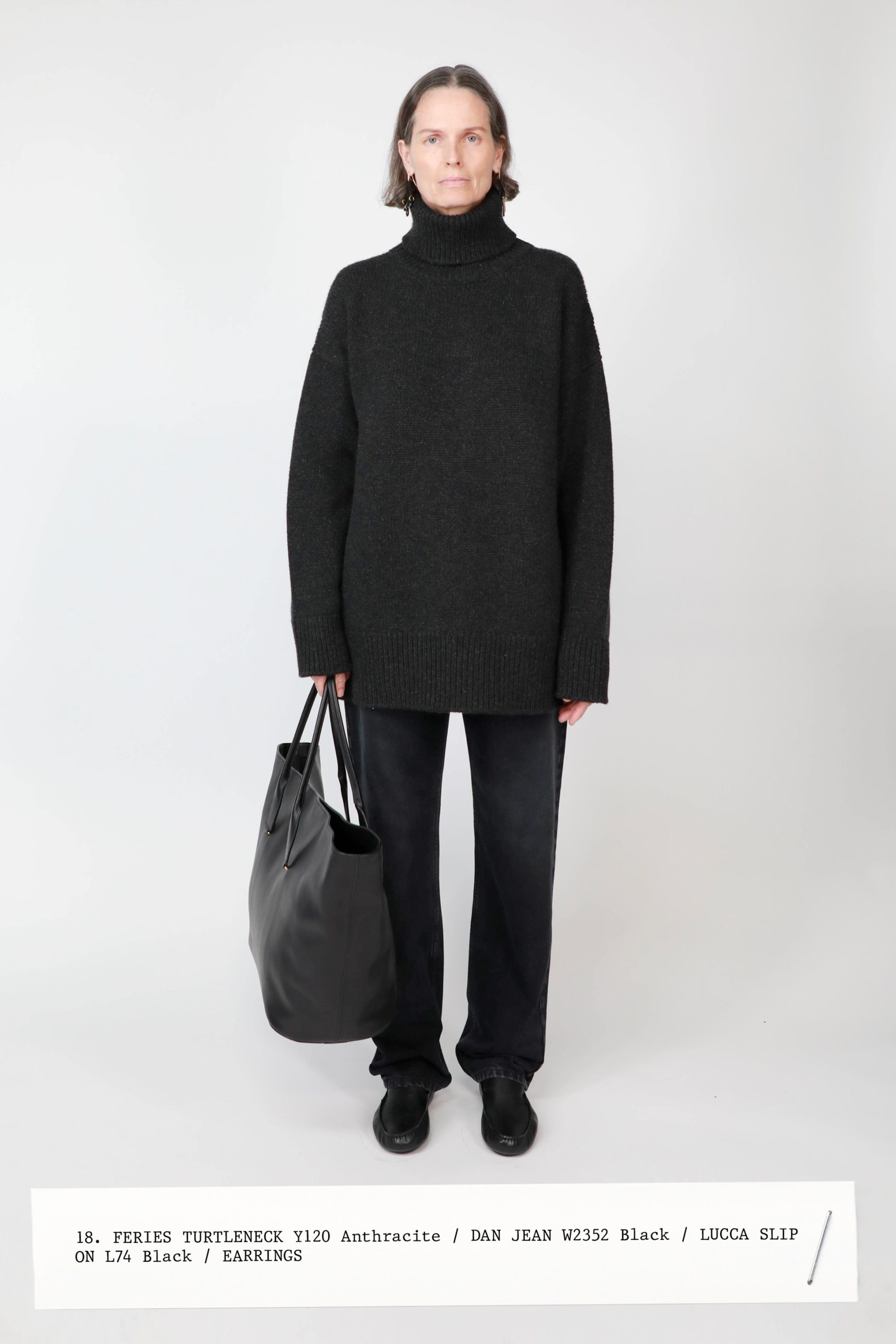
Understated Opulence Long Before the Term Existed: The Bedrock Idea
The Row launched in 2006, years before “quiet luxury” became a marketing buzzword. From the beginning, the brand prioritized construction quality, fabric sourcing, and understated silhouettes over logos or seasonal gimmicks. This ethos naturally resists the collaboration model, which usually depends on visibility, novelty, and a limited-time sense of urgency.
Co-branded launches perform best for names that flourish through pop-culture relevance — consider limited sneaker launches or street-style crossovers that sell out in minutes. By comparison, consistency is what matters most to The Row’s customer base. Someone who owns three or four the row handbags isn’t looking for a co-branded novelty item; instead, they want another item that slots effortlessly into a wardrobe assembled over years rather than seasons.
It’s partly because of this that the row-bags round-up discussion among resellers and stylists seldom features limited-run releases. The brand’s structural approach to bags — the Margaux, the Bourse, and the Soft Lock — was intended to stay enduring instead of trend-driven. Lasting design and collaborative drops are, the row bags quilted shoulder bags structurally speaking, often at odds.
Even so, its catwalk presentations, which began appearing on the official schedule in 2015, sidestep dramatic set design or the front-row celebrity fanfare that so often trails collab reveals at other houses. The staging holds as controlled as the collection itself.
The Strategic Reasoning Underpinning Saying No
The Row is attuned to this better than most present-day houses, given that scarcity holds economic weight. If a house partners up with too much regularity, its rarefied status diminishes. Resale values on core items can soften if the market becomes flooded with limited editions competing for attention. By maintaining a tight and consistent catalog, The Row has instead safeguarded the resale strength of its signature bag collections.
To put it plainly, the row’s top bags — mainly the Margaux across its sizes, plus the Bourse and Soft Clutch — remain strong resale performers given that they forgo frequent reissues in new shades and forgo reworkings bearing another designer’s mark on the hardware. Someone who buys the row bag today can expect the silhouette to remain largely the same three years on.
A pricing rationale factors in as well. The line’s bags usually range across the $2,000 to $6,000+ price band based on size, leather, and hardware finish. At that cost level, customers are paying for lasting quality and design consistency, not for participation in a cultural moment. A flashy collaboration would arguably undercut the very qualities customers are paying a premium for.
From a business standpoint, this approach likewise minimizes manufacturing complexity. Co-branded projects call for fresh licensing agreements, shared production logistics, and promotional budgets divided between two brands. Its compact, tightly managed operation — reportedly with limited retail doors and a purposefully limited wholesale footprint — isn’t structured for growth of that nature.
The Rare Partnerships That Did Occur
The Row hasn’t been absolute in its refusal to partner with others, but such cases are rare and revealing. Worth mentioning, the brand has occasionally worked within shoe collaborations and selective sourcing arrangements instead of loud, co-branded apparel collections. These moves tend to be so understated that everyday buyers looking into the row fashion may never notice any joint project happened.
This is a deliberate contrast to peers. Fashion houses such as Louis Vuitton or Fendi have launched numerous prominent designer collabs packed into a single year. In contrast, The Row’s method could produce just one quiet partnership every few years — and even then, the label seldom promotes it through aggressive campaigns.
The rarity of partnership news also has a direct effect on buying behavior throughout a row sale. With no revolving set of limited editions to hunt, sale periods focus buyer attention squarely on core items — namely the tote bag, the Margaux, and its signature outerwear — instead of spreading interest thin over novelty drops.
Such steadiness has made shopping resale and consignment markets more predictable too. Those looking to find the row Margaux bag on resale platforms can typically rely on the fact that pricing benchmarks are tied to consistent design language instead of shifting collaboration-driven hype waves.
How This Shapes the Handbag Line Specifically
The lack of collaborations has enabled The Row’s bag design team to concentrate fully on perfecting a small number of shapes rather than repeatedly creating new ones for marketing cycles. The Margaux, introduced in 2016, remains one of the label’s most requested styles a decade later — a rare feat in an industry where “it bags” generally get replaced within just a couple of years.
The Row’s tote offerings follow the same logic. Rather than releasing a new tote silhouette every season, progress has come slowly, recalibrating proportions, strap details, or leather finishes while keeping the essential design intact. This is a stark departure from brands that lean on collaboration-driven tote releases to manufacture seasonal buzz.
What follows is a side-by-side look at how The Row’s approach to bag releases diverges from a typical collaboration-driven luxury competitor.
| Factor | The Row | Typical Collaboration-Driven Luxury Brand |
|---|---|---|
| How often collaborations occur | Rare — sporadic partnerships that stay under the radar | Multiple per year, often high-profile |
| How long a core bag shape stays in production | Often a decade or longer (e.g., Margaux since 2016) | Usually redesigned every 2–3 years |
| Marketing approach | Minimal, understated, limited press amplification | Aggressive campaigns paired with influencer seeding |
| Resale value stability | Generally consistent due to limited new releases | Can fluctuate with each new collaboration drop |
| Retail distribution | Curated, with few retail doors and modest online reach | Broad wholesale and multi-brand retail exposure |
This comparison shows why shoppers digging into top row bags often encounter a more compact, more consistent lineup compared to competitors — and why that steadiness is seen as an asset rather than a drawback.
What This Means for Shoppers in 2026
For anyone buying from The Row in 2026, the key point is clear: don’t expect a collaboration-driven release calendar, and focus your budget on core pieces rather than holding out for limited editions. The brand’s e-commerce site and select flagship stores remain the safest bet for genuine inventory, particularly for high-demand items like the Margaux.
Given that manufacturing volumes are purposely limited, the most in-demand sizes and leather options within the row bag range can be depleted and take time to restock. Shoppers committed to securing a specific piece should track the brand’s own channels rather than relying solely on third-party resellers, especially when trying to figure out where to buy the row Margaux bag in a specific size or leather.
Sale periods for the brand, on the rare occasions they occur, typically emphasize ready-to-wear and select accessories rather than deep discounts on the most in-demand bag styles, reflecting the brand’s broader resistance to anything that might dilute perceived value. This is in line with how the brand handles every promotional effort — cautiously and infrequently.
In the end, the scarcity of collaborations tied to The Row isn’t a strategic void; it forms the connective thread of everything the brand stands for. Within an industry crowded with collaborative chatter, declining to take part has emerged as one of The Row’s most singular — and most understatedly successful — deliberate choices.