How Slot Machines Work and What That Means for Your Spins
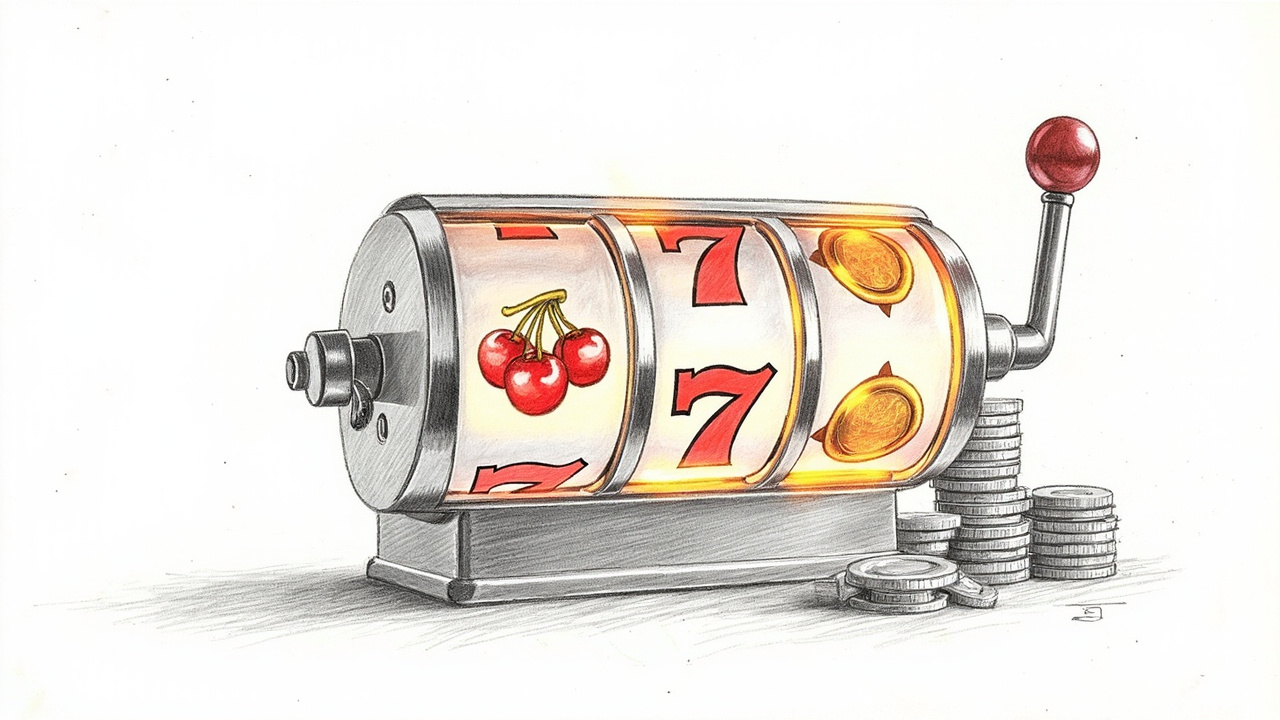
If you’ve spent any time around a casino floor, you already know the first thing people ask is how do slot machines work, especially when the reels start lining up and the crowd leans in. I’ve been on the other side of that glass, planning product lines at Aristocrat and running strategy at Crown, so I’ve watched the same question get asked in pubs on the Gold Coast and in high-limit rooms overseas. This isn’t a sales pitch. It’s a straight walkthrough of what’s actually happening under the hood, what a player feels on the felt, and how to read a machine without getting caught up in the noise.
The machine’s core job is brutally simple: you put money in, you press a button or pull a handle, and a random result decides whether you walk away with more than you started. What makes it interesting is how modern cabinets dress that simple loop up. A reel strip used to be a physical piece of printed plastic; now it’s a video layer sitting on top of a random number generator that’s already picked the outcome the moment you hit spin. The spinning animation, the near-miss symbols, the little chimes – that’s all theatre built around a result that was locked in before the lights even flashed. I’ve sat through enough product reviews at TCS John Huxley and Ainsworth to know the best machines don’t try to trick you into thinking the reels are “due”. They just make the whole experience clear enough that you know exactly what you’re paying for.Which slot machine pays the most?
| Detail | What it means on the floor |
|---|---|
| Random number generator | Picks the result the instant you press spin, not while the reels are spinning |
| Paylines and ways | Define which symbol patterns actually pay, from one line to hundreds of paths |
| RTP (return to player) | The long-run percentage a game is built to pay back, not a promise for any single session |
| Bet size and lines | Controls how much each spin costs and which winning patterns you’re covered for |
| Volatility | How often a game tends to pay and how big those pays usually are, which changes the feel of a session |
If you’re wondering which slot machine pays the most, you’re really asking about two different things at once: the published return-to-player figure and the volatility that decides how that return feels minute to minute. A game with a higher theoretical return can still feel slow and tight if it pays small amounts rarely, while a lower-return title can feel busy because it hands out frequent little wins. I’ve seen operators on the Gold Coast tune floor mix around https://www.emz2.com/uncategorized/casino-account-sharing-risks-and-the-lobby-player-trap/ that exact tension – some rooms want a steady hum that keeps the arvo crowd seated, others want a tighter spread that throws a bigger moment now and then. The sensible read is to treat RTP as a long-run label, not a short-term promise, and to match volatility to the kind of session you actually want. If you’re after a machine that tends to return a touch more over time, check the help screen or the game’s info page for the published percentage, then watch how the wins land before you settle in.minimumdeposit-casino.net
What you actually experience when you sit down is a series of small decisions wrapped around a machine that’s already doing its own thing. You pick a denomination, decide how many lines or ways to cover, set your bet per line, and then spin. The machine counts your credit, runs the RNG, shows the result, and pays any winning combination according to the paytable. That’s the whole loop. The rest is layout, sound, and the little feedback loops that keep a session readable. Good cabinets make the paytable easy to find, show your line coverage clearly, and don’t hide the bet behind three menus. I’ve watched players at SenSen venues and in Macau floors get frustrated by machines that make you dig for basic info, and that’s a design problem, not a luck problem. If a machine’s interface is tidy and the help screen is honest about how the game pays, you can focus on your own limits instead of fighting the screen.
A few practical habits make the whole thing easier to manage. Set a session credit before you sit down, treat it like the cost of entertainment for the afternoon, and don’t chase a run that’s gone quiet. Watch the paytable before you bet, because a game with twenty paylines and a high bet per line can chew through a balance faster than a single-line machine at the same total cost. If a machine’s bonus feature triggers, read what it actually does rather than assuming every free spin or pick game works the same way – they don’t. I’ve heard Hannah Young, Head of Product at Ironbark Compliance Advisory, put it plainly: the machine doesn’t owe you a turnaround, and the clearest sign of a well-built game is one that tells you its rules without making you work for them. That’s the kind of design that respects a player’s time, whether you’re at a local club or taking a break on the coast.
The honest verdict is that a slot machine is a simple random game dressed up to feel like a bigger event, and the only thing you can really control is how clearly you read it before you press spin. Pick a machine whose paytable and volatility match the session you want, keep your bet in line with the balance you’re happy to spend, and treat the whole thing as paid entertainment with a chance of a win rather than a plan to get ahead. That mindset won’t change the reels, but it does keep the afternoon enjoyable and the decisions yours.